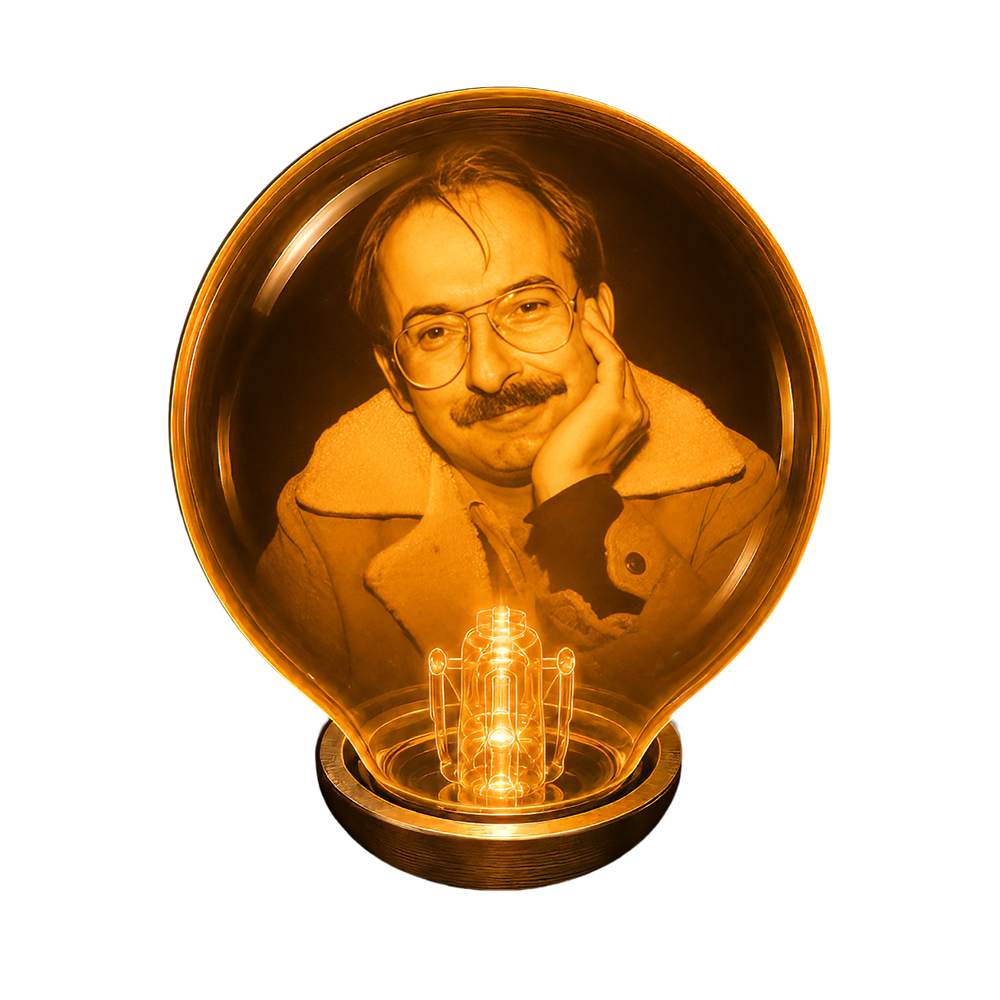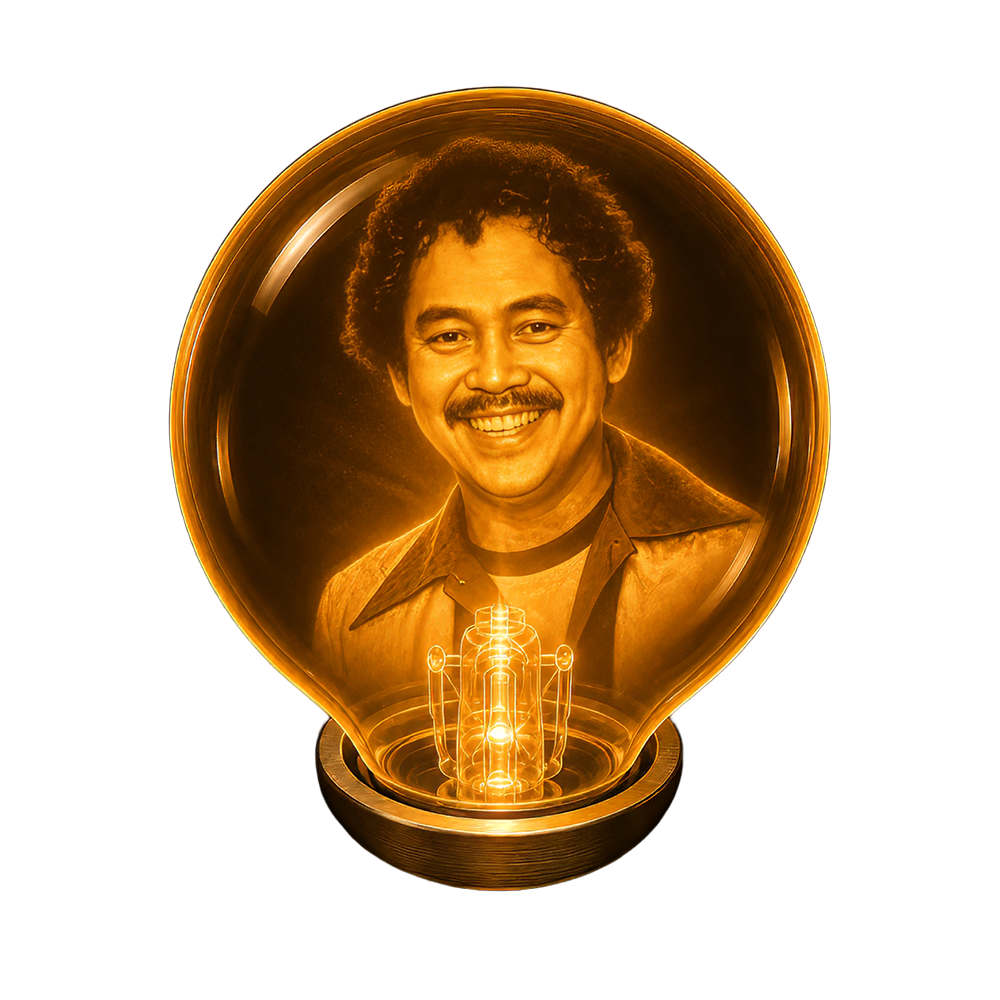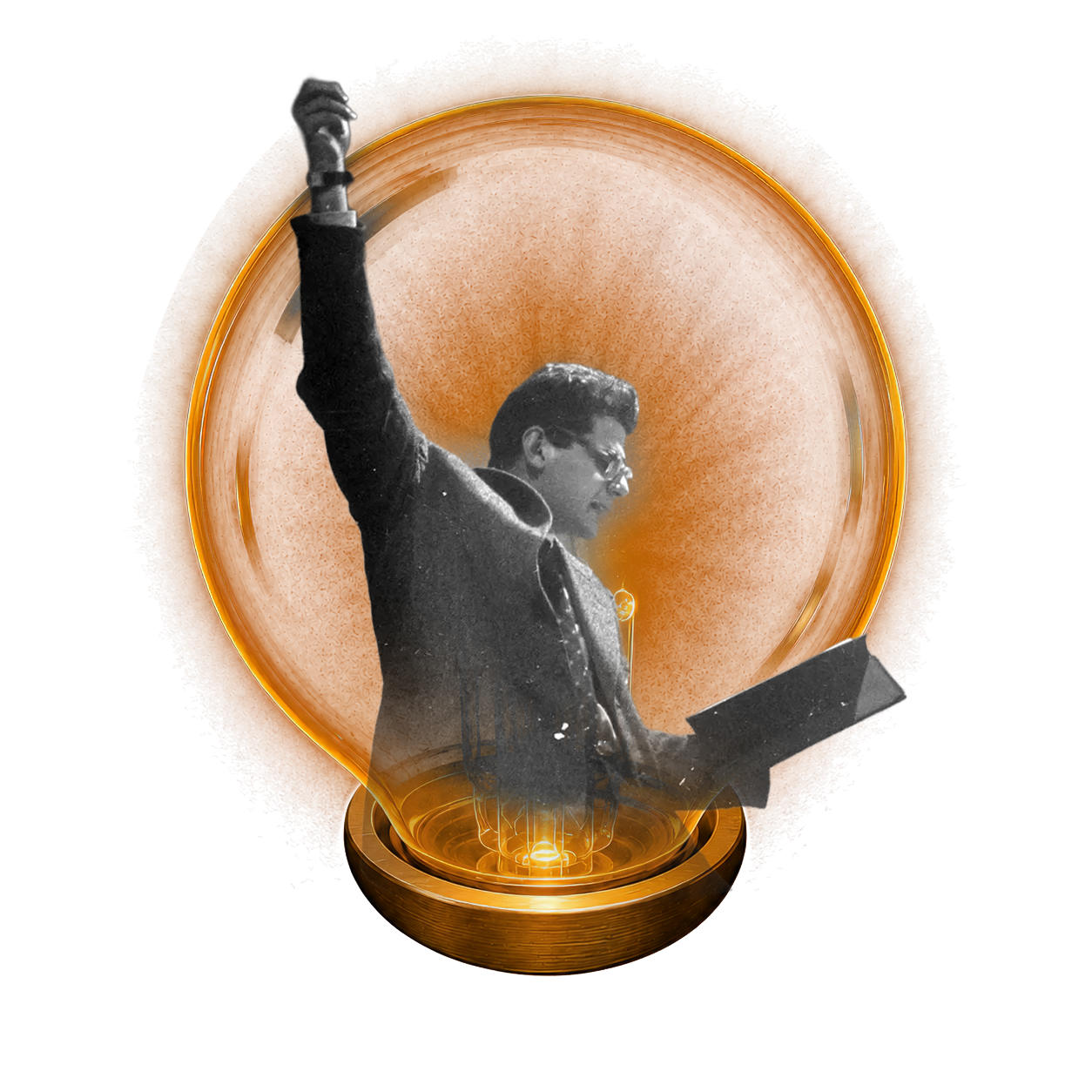
The building at 435 Broadway knows the difference between a birth and a burial.
Howl was born somewhere else — at the Six Gallery on Fillmore Street, in October 1955. That was the night Allen Ginsberg stood up and threw his first punch at the post-war order, reading something raw and electric and new while Jack Kerouac passed a jug of wine and everyone in the room understood they were hearing the future argue with the present.
But grief is different from rage. Grief needs a different room.
It was here, on that second floor, that Allen Ginsberg first read Kaddish.
Kaddish is a mourning prayer. Ginsberg wrote it for his mother, Naomi, who had died in a psychiatric institution the year before. It is not the poem that made him famous — Howl had already done that. It is the poem that made him human. If the Six Gallery was where the Beats threw their first punch, 435 Broadway was where they laid their grief bare. The acoustics of this hall were the first to echo Ginsberg's deepest, most agonizing personal masterpiece.
He read it that night as a benefit for John Wieners' magazine Measure. Sharing the stage with him were Jack Spicer and Robert Duncan — poets of the San Francisco Renaissance who regarded Ginsberg and the New York Beats with barely concealed suspicion, as showmen rather than craftsmen, as people who had turned poetry into performance rather than prayer. And yet here they stood together, on this floor, in this room. 435 Broadway had always been neutral ground. It did not choose sides. It held whoever came through the door.
BRICKS & SWEAT: WHY IT MATTERS
“If the Six Gallery was where the Beats threw their first punch, 435 Broadway was where they laid their grief bare.”
Later that same August — August 29, 1959 — the building held something else entirely. The Mad Monster Mammoth Poets' Reading, a benefit for Auerhahn Press organized by Philip Lamantia, brought twelve poets to this stage: Lawrence Ferlinghetti, Bob Kaufman, Michael McClure, Philip Whalen, Ray Bremser, David Meltzer, and others. Before the reading began, two San Francisco painters — Bruce Conner and Robert LaVigne — staged a parade down Grant Avenue in fantastic costumes, leading an immense crowd through the neighborhood streets and into this auditorium like pied pipers of the new American literature.
The crowd was loud. The costumes were improbable. Kenneth Rexroth sat in the back muttering "Awful, awful" the entire night.
Enough money was raised to publish new books by Whalen and Lamantia.