The 1906 earthquake took the building that was here before. What replaced it, first, was temporary — a structure built in 1907 by a contractor named Henry Pizzigoni, adequate for the moment, built to hold the space while the Garibaldi Society decided what came next.
They took their time.
Twelve years after the earthquake, in the spring of 1919, the Garibaldi Society commissioned master architect Luigi Mastropasqua to build the permanent structure. The contract notice appeared in the Daily Pacific Builder on March 6, 1919 — a single line in a trade publication, the kind of entry that records the beginning of things without knowing what they will become. Mastropasqua was given a mandate to build something that would last: a reinforced masonry landmark in the Classical and Mission Revival styles, rising on the corner of Broadway in the heart of an Italian immigrant neighborhood that had already survived the worst the city could offer and was ready to build something that looked like it intended to stay.
He built it. It is still standing.
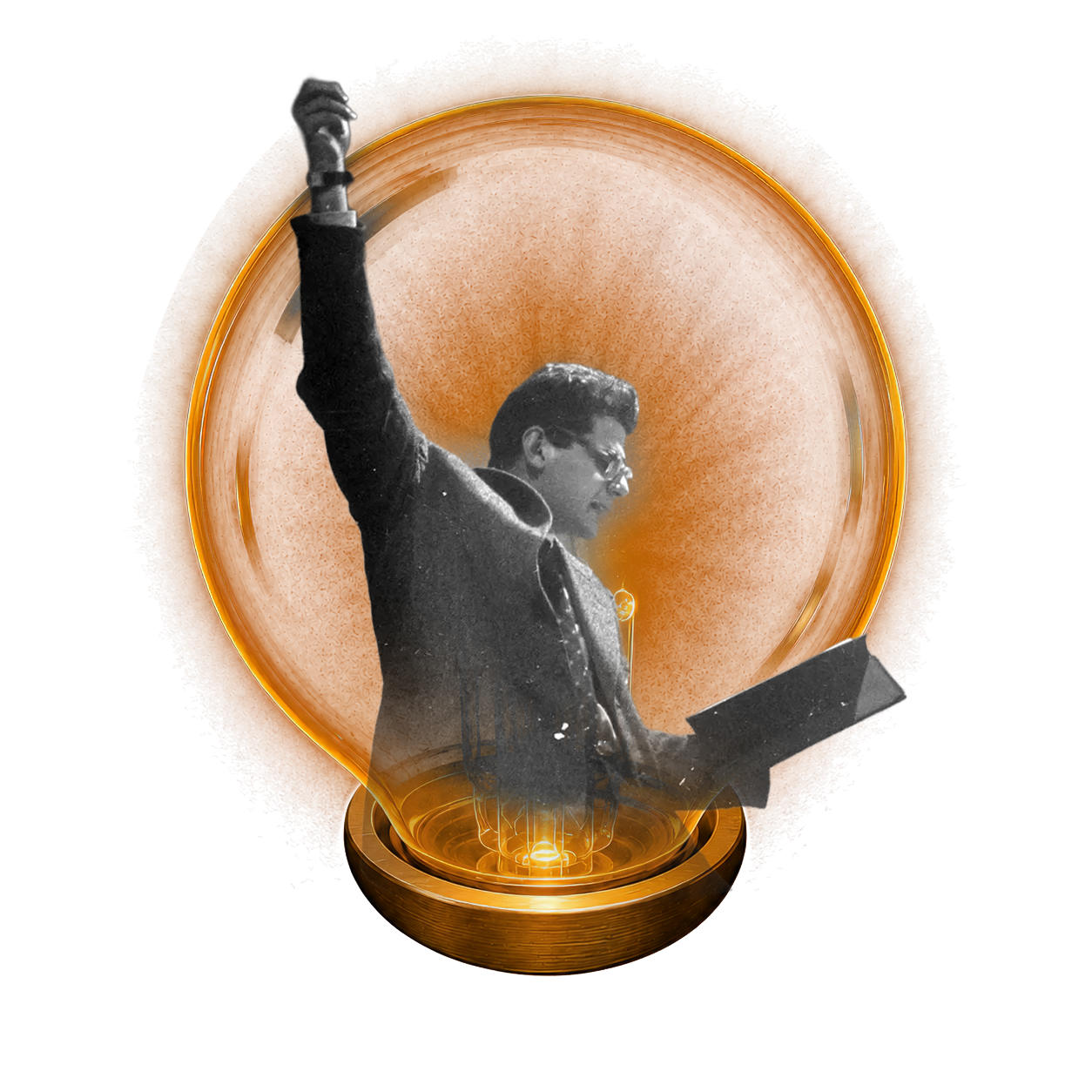
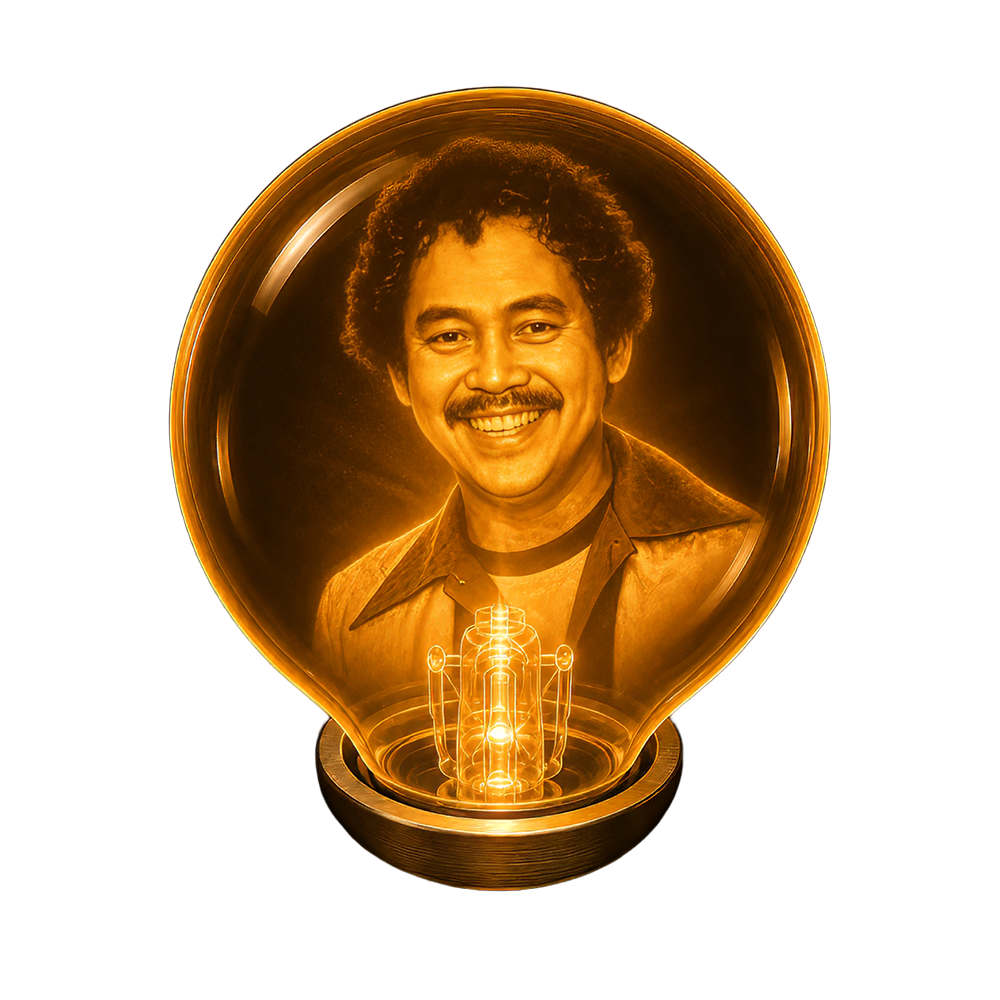
The building has carried many names since 1919. Garibaldi Hall. The Dimas-Alang Temple. On Broadway Theatre. Mabuhay Gardens. Generations of immigrant communities claimed it. Allen Ginsberg read Kaddish on its second floor. The Dead Kennedys played its stage. Ness Aquino fed young punk musicians in its kitchen. All of that happened inside the building Luigi Mastropasqua designed and the Garibaldi Society had the patience to build right.
BRICKS & SWEAT: WHY IT MATTERS
For decades, the historical record got this wrong. A draft National Register of Historic Places form incorrectly attributed the standing structure to Pizzigoni's 1906 design — conflating the interim building with the permanent one, erasing Mastropasqua's name from the official account of his own work. Recent forensic research into the primary construction archives corrected the record. The Daily Pacific Builder entry doesn't lie. The building is his.
That kind of erasure — a master craftsman written out of the history of the thing he built — is the particular injustice this light is meant to correct.
Mastropasqua designed a building that blended two architectural traditions: the Classical, with its faith in order and permanence; and the Mission Revival, with its acknowledgment of California's own layered history. The combination was not decorative. It was a position. It said: this neighborhood has roots, and this building will reflect them, and the walls will hold.
They have held. Through earthquake and fire and displacement and reinvention. Through Italian supper clubs and Filipino community gatherings and punk rock and poetry and whatever comes next. The reinforced masonry did its job. The architect knew what he was doing.
“He built something that looked like it intended to stay. It did.”